THE SHIELDFIELD COMMUNITY ARCHIVE
2024 - Present:
The Shieldfield Community Archive is collaborative a community archiving project in Shieldfield, a neighbourhood in the North East of England.
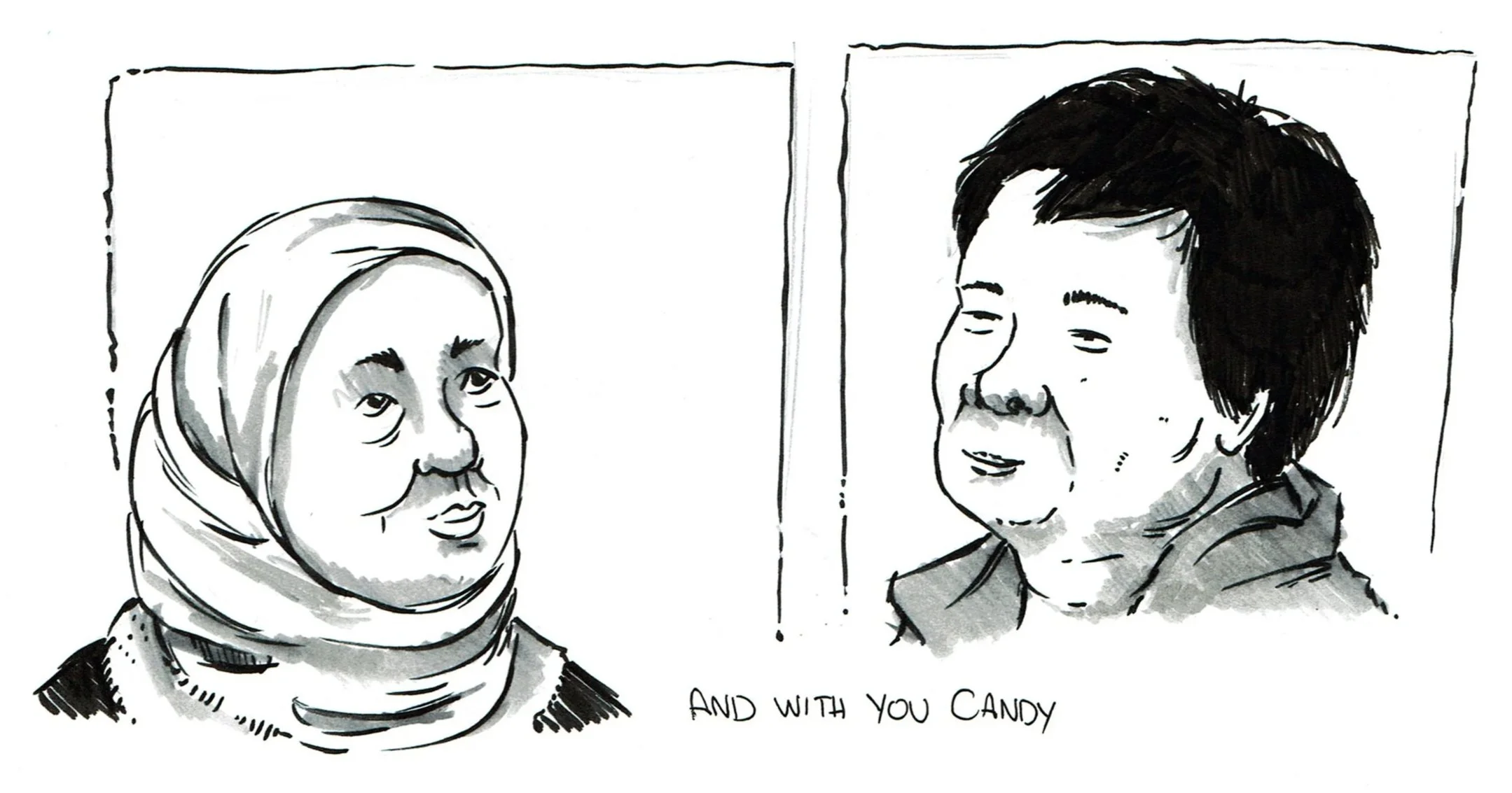
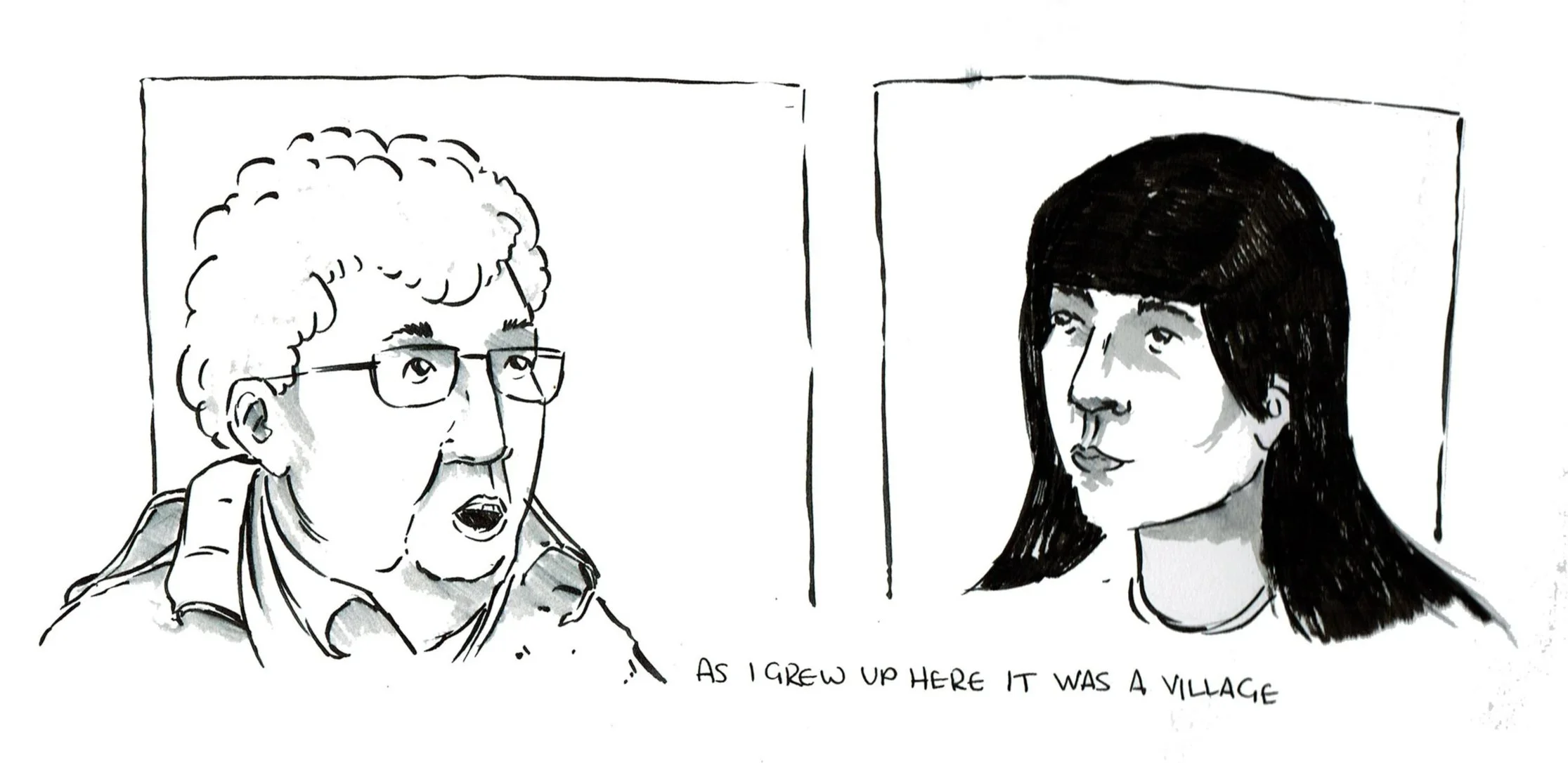
We have several video recordings of real conversations between people diverse in age and background. These conversations are full of stories about Shieldfield, its changing make-up, the ways we connect with one another, the humour that’s part of everyday life, and the challenges we’ve faced together.
We are still very much in the process of developing our archive, this work is slow & messy, but we have learned a lot already.
What is an Archive?
Traditionally, archives have been places like libraries or museums, where important documents and objects from the past are saved for the future. Most often, traditional archives hold the stories of those people in the past who had power and authority. This means ordinary people’s stories are often missing or hard to find.
Community archives allow people to decide which of their own stories are important to tell and to save for the future. In Shieldfield, our archive includes recorded conversations between neighbours, as well as photographs and objects.
Background:
In early 2022, Andrew Wilson was invited to take up an artist’s residency at Shieldfield Art Works. Andrew has a long connection with this area, and wanted to use his art practice to tell a story of all the different activities and relationships that make Shieldfield a supportive place to live, work and play.
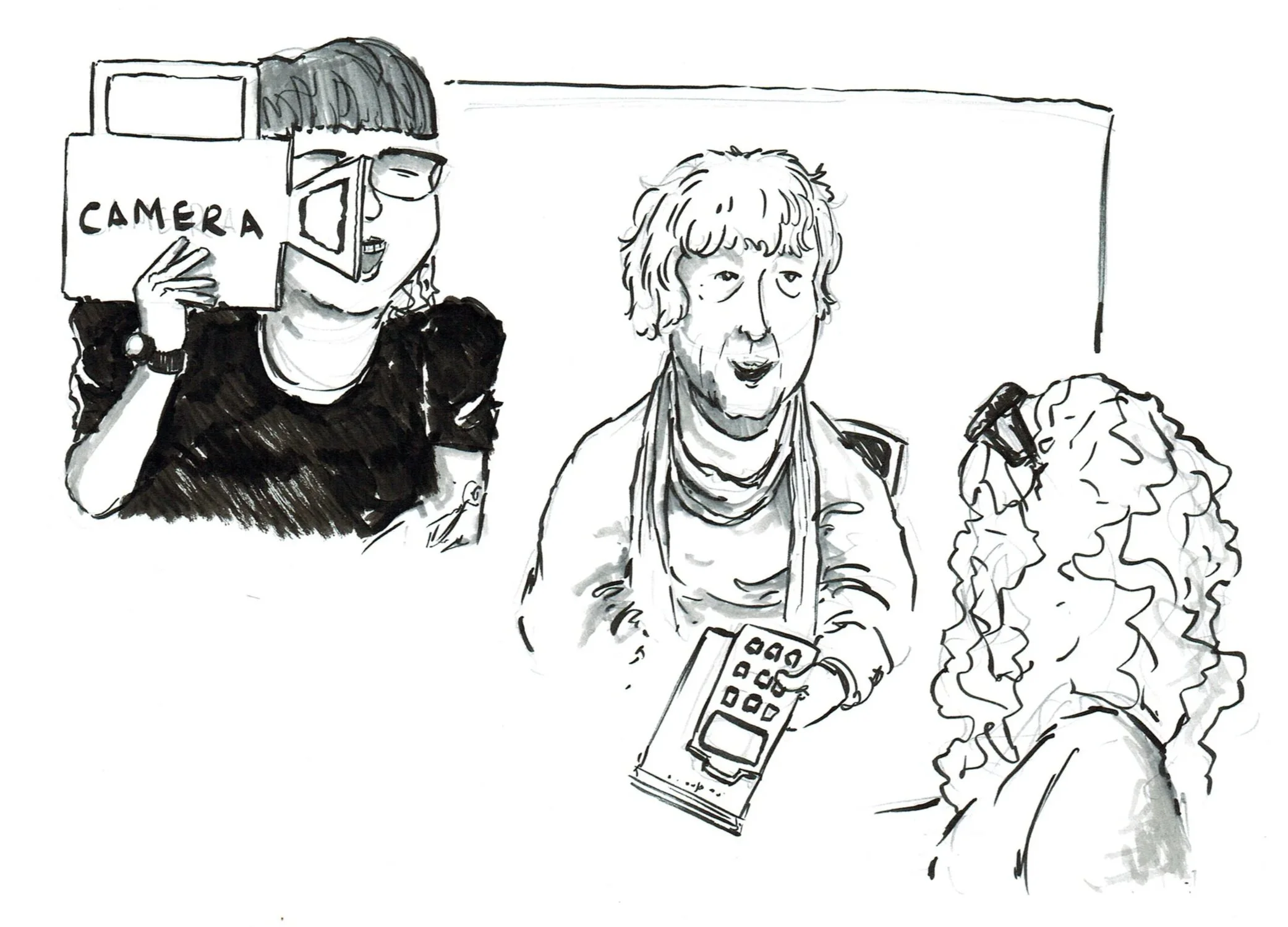
This idea became 100 People, a film-making project that explored the connections between people and places in this area.
Turning a Film Project into an Archive:
Early in the development of 100 People, Andrew began to consider what would happen with planned recordings and photos once the project was complete. From conversations with Dwellbeing Shieldfield’s Stewards and Worker Members, a plan developed to use this project to create a community storytelling archive.
We needed 5 things to be able to make oral history/audio-visual ‘stuff’ into an archive:
The Record (a recording, a photo, a transcript etc)
Permission (informed consent)
Metadata (info about the Record to help us make sense of it)
A Home (somewhere to store all this)
A System (to help people find and use it later)
The Recordings:
During the 100 People project, several conversations were recorded with people who live, work and play in Shieldfield. Once the project was completed Andrew Wilson handed over the ownership of these recordings to the collective ownership of the community co-operative Dwellbeing Shieldfield.
Now the work begins!
Watch Parties:
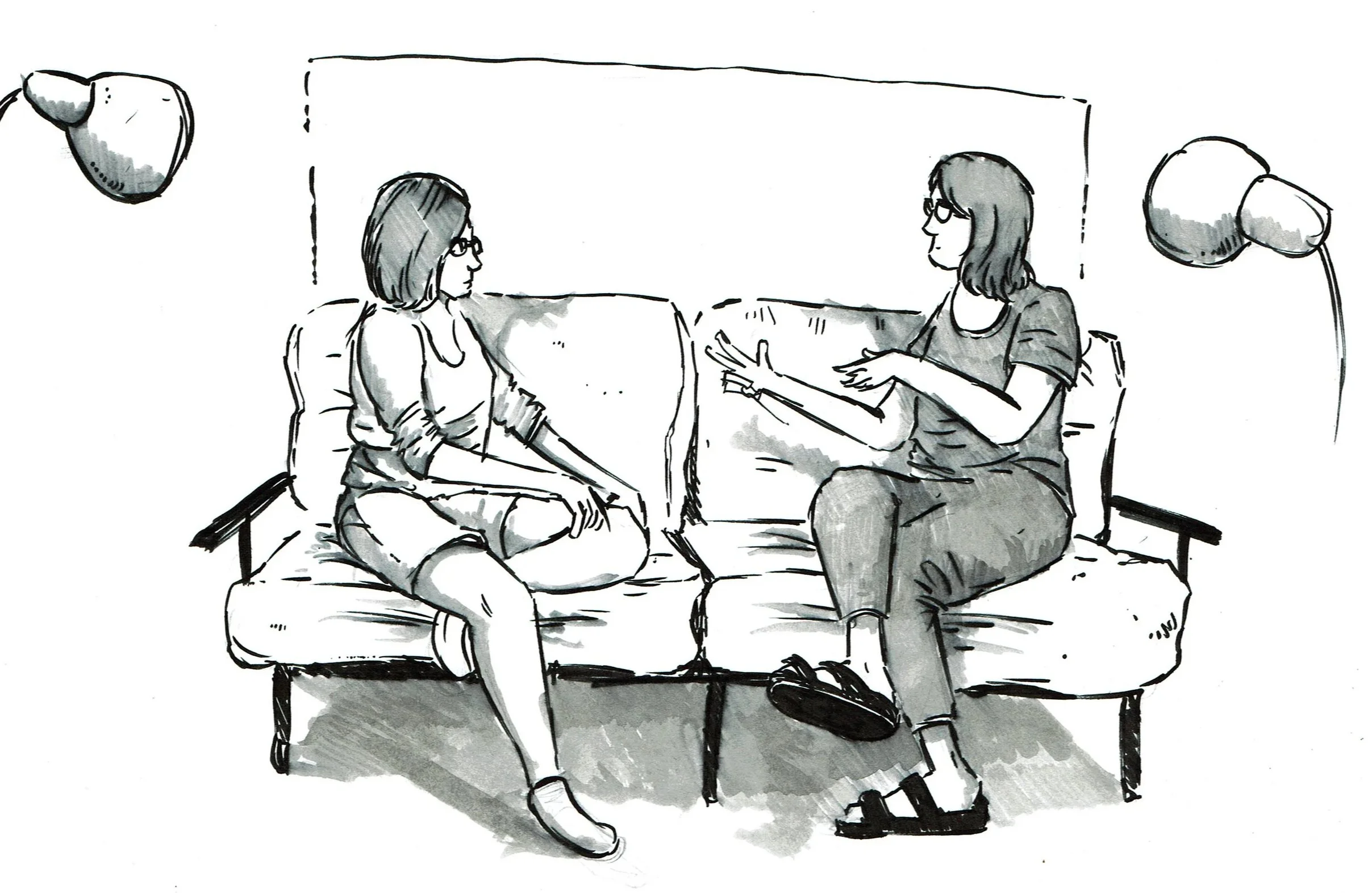
At a Watch Party Dwellbeing Shieldfield members watch unedited video recordings of real conversations between people diverse in age and background, capturing the past, present, and possible future(s) of the place we share.
We watch these clips together, stopping every five-minutes to discuss what we have seen. We collect work together to collect our thoughts and observations via shared notes for our Meta Data.
Metadata is all of the information about the video, including information that might be on permission forms. It might include
When + where the recording happened
Who was involved (facilitator, camera person, carer/parent)
The equipment used
File type and size
Name of speakers/participants
Contact details of the speakers/participants
Description of visuals (for finding/using the recording later)
Keywords or a summary of what was said (for finding/using the recording later)